- Jul 27
Caring for Someone Who No Longer Feels Like the Person You Knew
- Lydia Dyhin
- 0 comments
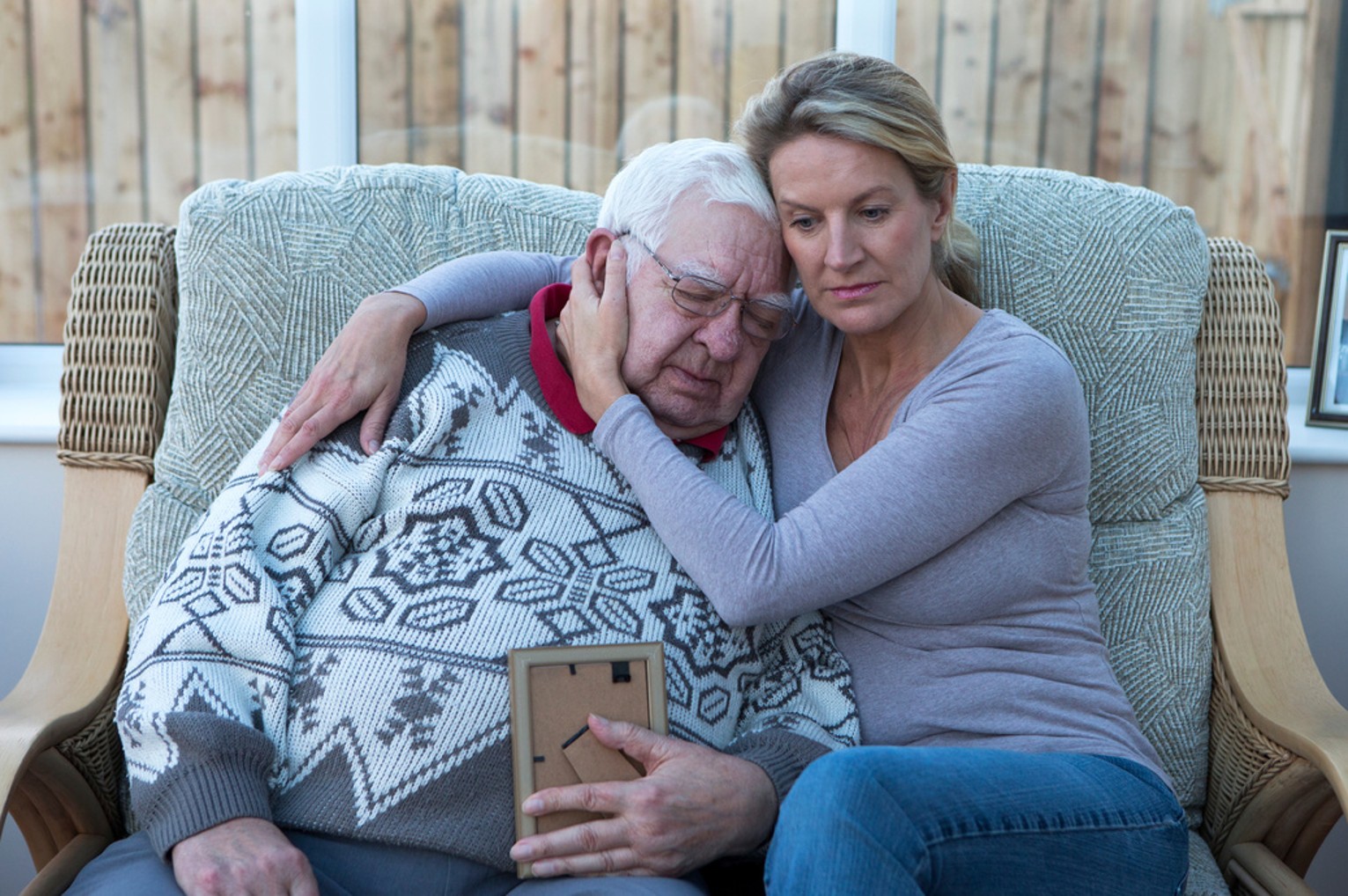
There’s a particular kind of grief that can arise when someone you love is still here, but the relationship no longer feels the way it once did.
The person may still be sitting beside you. You may still hear their voice, prepare their meals, help them dress, attend appointments or share the same home.
And yet, something has changed.
Dementia, neurological illness, trauma, mental health challenges, chronic illness or changes in personality can gradually alter how a person communicates, responds and connects. The person you once turned to for comfort may now seem distant. Someone who was gentle may become irritable. A partner who shared your memories may no longer remember them. A parent who once guided you may now depend on you for almost everything.
You may still love them deeply, while also grieving the person they used to be.
This experience is sometimes called ambiguous loss.
What Is Ambiguous Loss?
Ambiguous loss is a form of grief that doesn’t have a clear ending.
The person is physically present, but parts of who they were—or parts of the relationship you shared—may feel absent.
There may be no funeral, no public acknowledgement and no clear moment when the loss occurred. Instead, the grief may unfold slowly, through hundreds of small changes.
You may notice it when:
they no longer remember a shared story
their personality changes
conversations become difficult
affection or emotional closeness fades
familiar routines disappear
they no longer recognise your role in their life
you begin making decisions alone
the relationship becomes centred around care rather than companionship
Each change can feel like another quiet goodbye.
Because the person is still alive, caregivers often feel they don’t have permission to grieve. They may tell themselves:
I should be grateful they’re still here.
Other people have it worse.
I shouldn’t feel sad, angry or resentful.
They can’t help what’s happening.
These thoughts may be understandable, but they can also leave you feeling isolated.
Grief doesn’t mean you’ve stopped loving the person.
It means something meaningful has changed.
Loving Someone and Missing Them at the Same Time
One of the hardest parts of caregiving is holding two emotional truths at once.
You can love someone and feel frustrated with them.
You can feel grateful they’re still here and miss who they used to be.
You can want to care for them and wish your life were different.
You can feel compassion for what they’re experiencing and still feel hurt by their words or behaviour.
These emotions are not evidence that you’re uncaring. They’re evidence that you do care.
Caregiving often asks people to live with contradictions that can’t easily be resolved.
You may be grieving the conversations you can no longer have, the future you expected to share, the emotional support you once received or the version of yourself that existed before caregiving became part of your life.
Sometimes, what hurts most is not only the change in the person you care for, but the change in the relationship itself.
The Loss of Shared History
Relationships are built through shared memories, private jokes, familiar routines and the feeling of being known.
When illness or cognitive change affects those connections, caregivers may feel as though they’re carrying the history of the relationship alone.
You may remember the holidays, the difficult years, the celebrations and the promises, while the other person no longer can.
That can feel deeply lonely.
You may begin to wonder:
Does our relationship still exist in the same way if I’m the only one who remembers it?
The relationship may have changed, but the love, meaning and history you shared are still part of you.
Even when the other person can’t recall a memory, that memory remains real.
It mattered and it still matters.

When Personality Changes Affect the Relationship
Some illnesses affect more than memory or physical ability. They may also alter mood, judgement, impulse control, empathy or communication.
A person who was once patient may become demanding. Someone who was affectionate may withdraw. A person who was calm may become suspicious, fearful or angry.
Caregivers may understand intellectually that the illness is influencing the behaviour, but that doesn’t always reduce the emotional impact.
Hurtful words can still hurt and rejection can still feel painful.
Repeated conflict can still leave you exhausted.
You’re allowed to recognise that the behaviour may be caused by illness while also acknowledging its impact on you.
Compassion for the person you care for doesn’t require you to deny your own pain.
Giving Yourself Permission to Grieve
Caregiver grief doesn’t always need to be fixed.
Sometimes it first needs to be named.
You might begin by quietly acknowledging:
This isn’t the relationship I once had.
I miss the person they used to be.
I miss who I was with them.
I am grieving, even though they’re still here.
Naming the loss can bring relief because it gives language to something that may have felt confusing or shameful.
You might also allow yourself to grieve specific losses rather than trying to process everything at once.
Perhaps you’re grieving:
the loss of companionship
the loss of emotional intimacy
the loss of shared responsibility
the loss of future plans
the loss of freedom
the loss of being recognised
the loss of feeling like a partner, child, sibling or friend rather than only a caregiver
Your grief is personal. It does not need to look like anyone else’s.
Finding New Ways to Connect
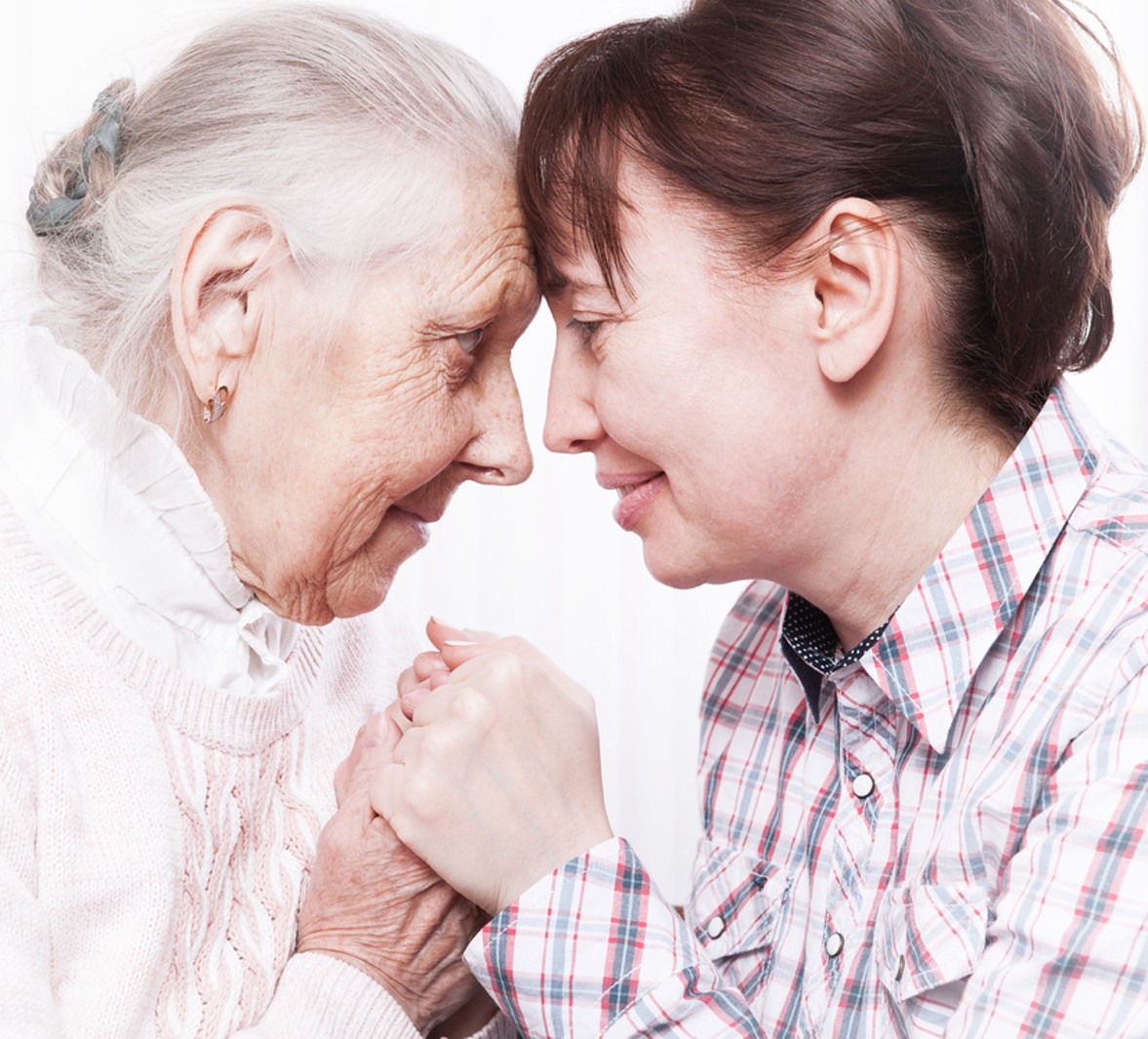
Accepting that the relationship has changed doesn’t mean giving up on connection.
It may mean discovering different ways of being together.
Connection may now happen through music, touch, familiar scents, photographs, sitting quietly, walking outside or sharing a simple activity.
A conversation may be replaced by a smile. A remembered story may be replaced by a feeling of safety. A long outing may become ten peaceful minutes in the garden.
These moments may not recreate the relationship you once had, but they can offer a different form of closeness.
Try not to measure every interaction against the past. That comparison can deepen grief.
Instead, you might gently ask:
What kind of connection is possible today?
Some days, the answer may be very small. Small still matters.
Protecting Your Own Sense of Self
When caregiving becomes intense, it can gradually consume your identity.
You may become so focused on managing symptoms, routines, appointments and responsibilities that you lose touch with the person you are outside the caregiving role.
Your needs may begin to feel unimportant, but your identity still matters.
You’re still a person with your own memories, hopes, interests, relationships and emotional needs.
Supporting yourself might involve:
speaking with someone who understands caregiver grief
joining a caregiver support group
writing honestly in a journal
maintaining one activity that belongs only to you
asking for practical help
setting boundaries around hurtful behaviour
allowing yourself time away without guilt
seeking counselling or professional support
You don’t have to wait until you’re completely overwhelmed before you reach out.
You Are Not Betraying Them by Missing Who They Were
Many caregivers carry guilt because they long for the person they remember.
They may worry that appreciating the past means rejecting the person in front of them.
But both can be true.
You can honour who they were, and you can care for who they are now.
You can grieve what’s changed and you can still look for moments of connection.
Your sadness does not cancel your love, and your exhaustion does not cancel your devotion.
Your need for support doesn’t mean you’re abandoning them. It means you’re living through a profound and ongoing change.

A Quiet Reflection
You may like to pause and consider:
What part of the relationship do I miss most?
What change has been hardest for me to accept?
What feelings have I been afraid to admit?
Where do I still experience moments of connection?
What support would help me feel less alone?
What part of myself needs care right now?
You don’t need to answer every question. Simply noticing what arises may be enough.
Caring for someone who no longer feels like the person you once knew can be one of the loneliest parts of caregiving.
There may be love, grief, tenderness, anger, loyalty and exhaustion—all existing together.
You don’t have to choose only one feeling.
You are allowed to grieve the relationship that was, care for the person who is here now and protect the person you’re becoming through it all.